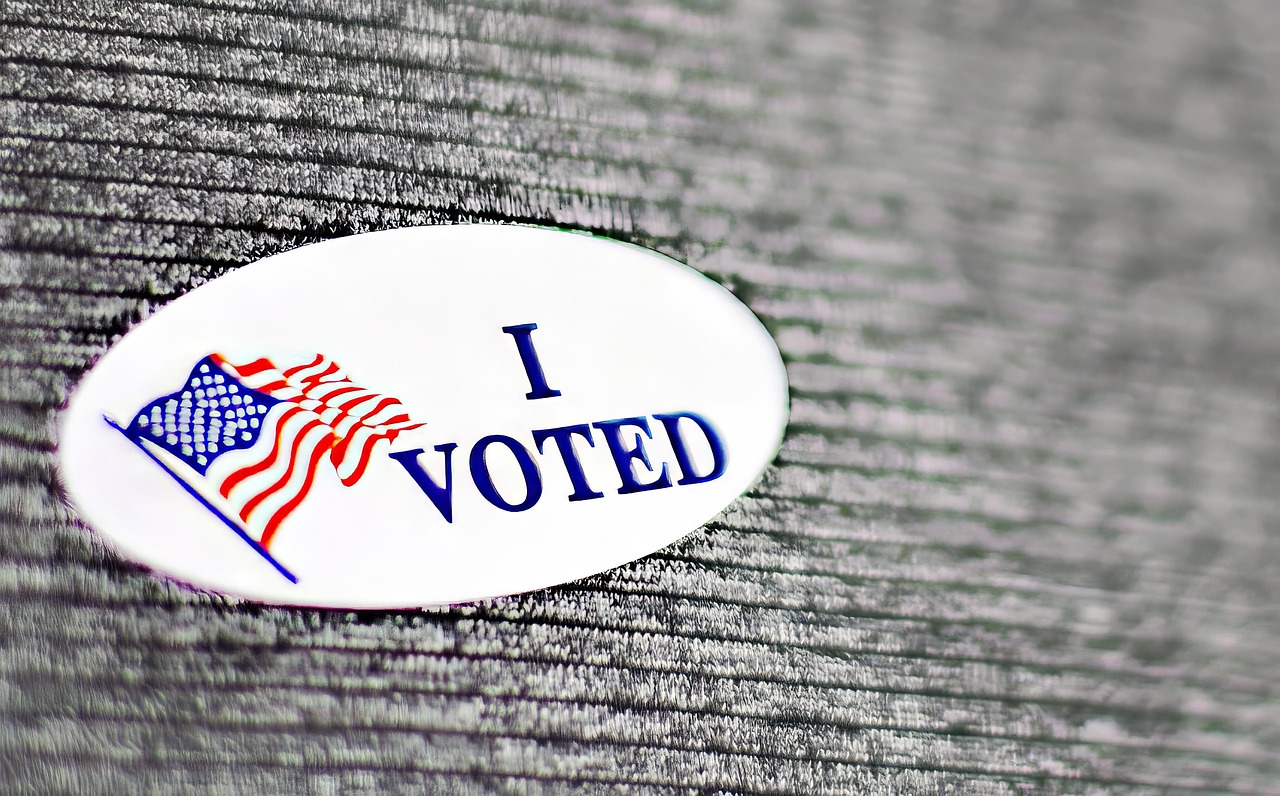
Every time citizens cast a ballot, they do more than choose a local leader. They send a powerful signal across borders, influencing global stability, trade agreements, and human rights standards. With a record number of countries heading to the polls in recent years, understanding world politics explained through the lens of electoral cycles is more crucial than ever.
The Ripple Effect of National Votes on International Relations
No nation exists in a vacuum. When major economic or military powers hold national votes, the results immediately ripple through international relations. A shift in political leadership can alter treaties, redefine alliances, and change how a country approaches global crises.
- Foreign Policy Shifts: A new administration may prioritize multilateral cooperation or pivot toward isolationism.
- Economic Agreements: Trade deals and tariffs often depend heavily on the ruling party’s economic ideology.
- Global Security: Defense spending and commitments to international defense pacts frequently shift following leadership changes.
For example, elections in the United States, the European Union, or India routinely dictate the pacing of global climate accords and security frameworks.
Public Policy and the Democratic Blueprint
At the core of every campaign is public policy. Voters debate healthcare, taxation, immigration, and education. When a winning party implements its platform, it provides a real-world case study for other nations.
Governments look at successful policy rollouts abroad to solve their own domestic challenges. Conversely, failed policies serve as cautionary tales. This cross-border policy diffusion ensures that elections act as innovation laboratories for governance.
The Modern Challenges Facing Global Democracy
While democracy remains a preferred system of governance for billions, it faces severe modern headwinds. Elections today are battlegrounds for technological and ideological influence.
Disinformation and Cybersecurity
Bad actors frequently weaponize social media to sow discord and manipulate electoral outcomes. Protecting the integrity of the ballot box requires robust cybersecurity measures and international cooperation.
Democratic Backsliding
In several regions, democratically elected leaders have gradually dismantled checks and balances from within. This trend highlights the fragility of institutional norms and underscores that winning an election is only the first step; maintaining democratic guardrails is an ongoing duty.
Conclusion
Global elections are the heartbeat of modern civilization. They test the resilience of democracy, redefine international relations, and establish new frameworks for public policy. As citizens and observers, recognizing the interconnected nature of world politics explained helps us appreciate the true weight of a single vote.
Key Takeaways
- National elections have global consequences that extend far beyond domestic borders.
- Changes in leadership directly impact international trade, climate commitments, and defense pacts.
- Protecting the democratic process requires constant vigilance against misinformation and institutional erosion.